Stone surfaces age the means leather does. They acquire man or woman, they display how you stay, and if they're cared for, they live wonderful for many years. The hindrance is, most other folks don’t comprehend the right way to read stone. They look ahead to a dramatic stain or a dull patch earlier they take motion. With natural stone and lots engineered surfaces, the smarter flow is to check, then reseal on your schedule, no longer the stone’s.
I’ve stood in extra kitchens and lavatories than I can remember, going for walks owners by fast tests with a number of drops of water and a paper towel. Those practical tests, executed nicely, can save enormous quantities of greenbacks in repair paintings and many of frustration. This advisor breaks down what works, what to restrict, and ways to make sensible selections based for your true cloth, conclude, and how you operate the distance.
Why a few stone needs sealing, and a few doesn’t
Start with the fundamentals. Granite counter tops and marble surfaces are porous to special levels. Porosity is the stone’s “thirst.” The extra open the pore construction, the speedier beverages can soak in. Many granites are slightly porous, that is why you spot sealers advertised for them. Marble, limestone, and travertine primarily have increased porosity, and they may be also reactive to acids like lemon juice and vinegar. That offers you two separate disadvantages: stains that darken the stone, and etches that physically boring the finish.
Quartz countertops are in a varied classification. They’re an engineered stone, a blend of mineral and resin. Most quartz is nonporous below standard use and doesn’t desire sealing, however assured matte or concrete-seem finishes can tutor fingerprints and oil marks for different causes. Soapstone is likewise a extraordinary case. It’s dense, resists staining, and most of the time isn’t sealed. Instead, many folks oil it for coloration intensity, not maintenance.
Within each and every classification, surface finishes alternate habit. A honed marble floor will reveal a faint ring from a glass quicker than a sophisticated one. A pretty polished granite will soak up slower than the comparable slab in a leathered conclude. Edge profiles can complicate things too. A ordinary eased edge is simple to seal competently, at the same time as a deep ogee has grooves that require patience to coat and wipe lightly.
If you’re on the lookout for one rule that holds maximum of the time: normal stone usually advantages from sealing, engineered stone rarely wants it. The trick is confirming what you could have and trying out, now not guessing.
The water drop try out: small effort, giant signal
If I would simplest show one system, it would be this. Clean the surface with a pH-neutral stone purifier, rinse, then permit it dry fullyyt. On a countertop, pick about a zones that see actual motion, like close to the sink, in which you prep foodstuff, and alongside the brink by the dishwasher. Place about a small puddles of blank water about the dimensions of 1 / 4. Start a timer and watch.
On a nicely-sealed surface, the water beads, keeps a top dome, and stays that way for 10 to twenty minutes. If the bead flattens instantly or the stone lower than the puddle darkens within a couple of minutes, the sealer is either thin or exhausted. For honed or textured finishes, the bead might not dome as dramatically, so place confidence in darkening as the clue. If the stone stays the similar shade for 10 mins and the water lifts off cleanly in case you wipe, you likely have enough defense for common use.
The timing concerns. Many homeowners do a swift splash, see a bead for 30 seconds, and call it good. That’s not ample. Everyday cooking and rest room use sometimes exposes stone to beverages for a whole lot longer. Red wine spills sit whilst you lookup paper towels. Coffee drips below mugs. Shampoo bottles leave jewelry on shallowness tops. Aim for efficiency that fits those realities.
The solvent attempt: checking oil resistance
Water habit tells simply half the story. Kitchen stains are basically oil-based totally: olive oil, butter, salad dressing, sunscreen. A surface that shrugs off water would nevertheless wick oil and go away a shadow. I use a pea-sized drop of mineral oil or cooking oil on a discreet spot. Leave it for 10 minutes, then wipe with a dry towel. If the stone darkens or presentations a halo that doesn’t fade inside of an hour, you desire more suitable oil repellency.
Here’s where product determination issues. Not all sealers are similarly oleophobic. Some funds sealers in simple terms resist water. Premium impregnating sealers, surprisingly fluoropolymer-founded formulas, withstand oil higher and ultimate longer. They check extra up front, but you practice them much less aas a rule, and the mark downs come in fewer headaches.
If oil did darken the stone in the course of your examine, don’t panic. On many granites, that shadow dissipates as the oil evaporates. If it stays earlier an afternoon, you can need a poultice to attract it out earlier resealing. With marble, transfer sparsely. Oil may also be cussed in softer stones and can require a reliable-grade poultice and staying power.
Acid sensitivity as opposed to staining: a swift truth look at various for marble
Resealing won’t cease etching on marble and same calcium carbonate stones. I’ve observed homeowners seal a marble island meticulously, then ask yourself why a lemon wedge left a dull ring. That’s now not a stain, it’s etching, a chemical reaction that microscopically eats the polish. Sealers sit down inside of pores and support block absorption. They do nothing in opposition t acid dissolving the surface.
If you wish to check for acid sensitivity devoid of risking wreck, use a scrap piece out of your deploy if you have one. Otherwise, accept that marble will etch in long-established use, notably in kitchen design where citrus, tomatoes, and vinegar dwell. A honed marble conclude hides etches stronger than a prime polish. Some users embrace the patina as a lived-in appear. Others desire engineered stone or a good-grained granite for heavily used islands and reserve marble for baking stations or bog design in which acid exposure is cut down.
Frequency: how as a rule should still you reseal?
The product label will let you know a spread, incessantly 1 to a few years, many times 5 to 10 for premium sealers. Those numbers think slight use and right kind software. I favor to tie frequency to the outcomes of the water and oil assessments.
In busy kitchens with granite counter tops, a once a year payment is smart. If the checks cross with 10-minute beading and no oil halo, that you could wait. If beads flatten briskly or oil darkens inside of mins, reseal. Bathroom vanities mainly pass longer between applications, because publicity is lighter, however await dark earrings below %%!%%f87ac093-1/3-4dad-b16e-866f1a6dd7be%%!%% dispensers or moisturizers. For lighter-coloured stones, surprisingly marbles and limestones, be conservative. They coach stains faster and improvement from staying beforehand of the curve.
Quartz countertops in general skip sealing altogether. Do no longer try to seal them until the brand in particular allows it. Sealers can haze or streak on quartz, peculiarly on matte finishes, and provide no merit. If you've gotten a quartz with a uncommon end that marks actual, your cognizance is surface cleaning and care, not sealing.
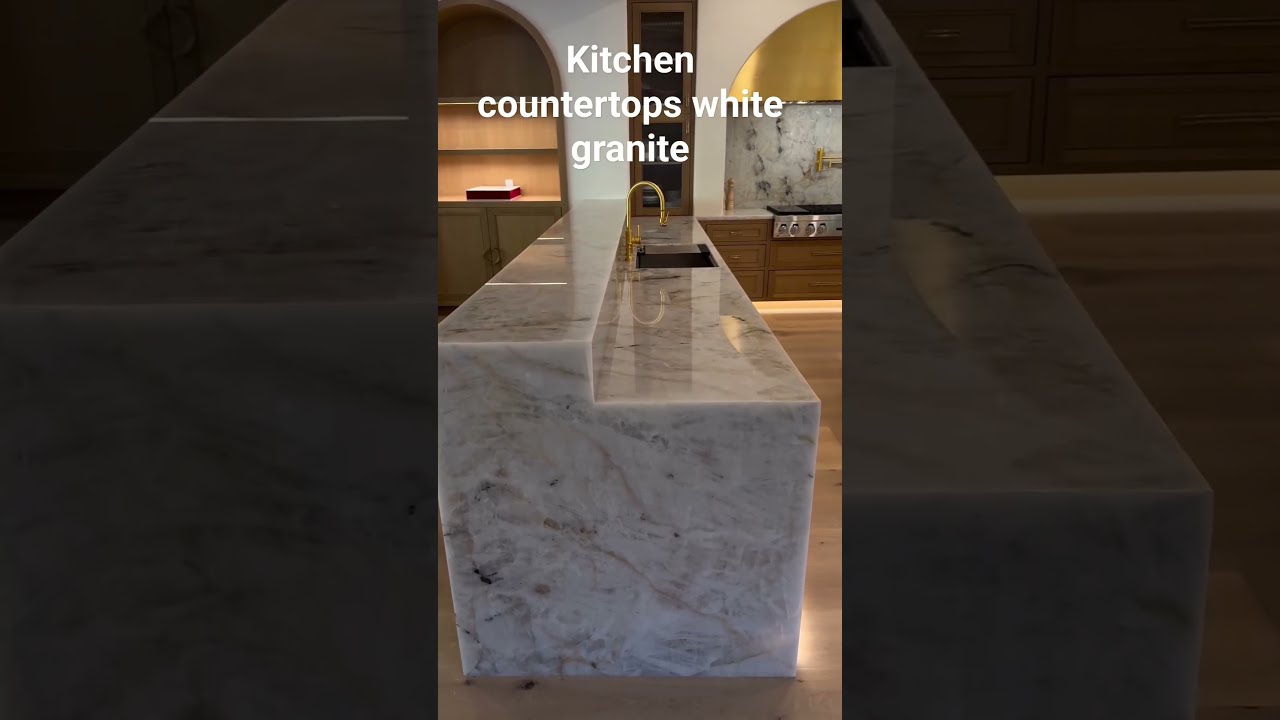
Preparing to reseal: cleansing without creating new problems
The number one mistake I see is sealing over dust. Sealers are breathable impregnators maximum of the time, now not topical coatings, but they still can lock in residues that make a stain tougher to put off later.
Clean with a pH-neutral stone purifier, rinse effectively, and dry. Avoid vinegar, bleach, and abrasive powders. Degreasers are positive within the kitchen should you rinse completely. If you’re coping with obdurate oil spots, pull them out with a poultice in the past sealing. For biological development around sink rims or in a bathing room, an https://s3.us-east-005.backblazeb2.com/Articles101/countertop-info/uncategorized/surface-cleaning-routines-for-busy-weeknights.html oxygenated purifier can assistance, followed by means of plentiful water. Let the floor dry for various hours, or in a single day if available, primarily on porous stones. Trapped moisture can sluggish sealer absorption and leave blotchy outcomes.
Edges and seams depend. Along area profiles like ogee or bullnose, residue from sharpening compounds can linger. Wipe these places cautiously so the sealer can penetrate uniformly.
How to do a sparkling, pro reseal at home
Here is a streamlined, box-proven collection that avoids maximum pitfalls.
- Verify your stone sort and end. Confirm you actually need to seal, and come to a decision a sealer rated for that stone and for oil repellency if you happen to cook in many instances. Ventilate and transparent the floor. Remove appliances, racks, and decor. Tape off wood edging which you don’t want sealer touching. Apply sealer generously, no longer timidly. Use a lint-unfastened cloth or applicator pad to flood the floor flippantly. Keep a wet facet. On very porous stone, you could see it disappear fast. Add more to avoid the floor moist for the stay time on the label, aas a rule 5 to fifteen minutes. Agitate and stay up for dry spots. Work the liquid into aspect profiles and around sinks. If a patch dries, add extra. Do now not enable it pool excessively close seams. Wipe off competently. After the live time, buff away all extra with easy dry towels. Change towels as they load up. Do a very last move with a microfiber to eradicate movie. Avoid letting sealer dry on the surface.
Allow the floor to remedy in step with the product guidance. Light use is in most cases superb after about a hours, yet complete repellency can take 24 to seventy two hours. Avoid water pooling and oil contact throughout that era. On very thirsty stones, a 2d application throughout the equal day can develop overall performance. Always try after curing to affirm.
What the exams seem like throughout elementary materials
Granite counter tops vary extra than humans are expecting. A tight, darkish granite like Absolute Black, while in actuality herbal and not dyed, most commonly resists absorption so strongly that sealer does little. In truth, some dark granites teach streaks if over-sealed. Test first. If water sits without darkening for 15 minutes, bypass the sealer. On lighter or extra speckled granites, sealing generally improves stain resistance seriously. Be cautious of dyed stone offered as jet black granite. A short circulate with acetone on a white rag can disclose black dye. Those slabs in general blotch under sealer and want cautious managing.
Marble surfaces regularly benefit from stain security, although etches are still you can. A honed Carrara self-importance appropriate, sealed true, will withstand lotion jewelry lengthy adequate for frequent cleansing, that is the purpose. In kitchens, pair the sealer with lifelike behaviors. Use coasters for citrus drinks. Wipe up spills instantly. If etching bothers you, select a distinct drapery for the busiest prep zones.
Quartz counter tops fall below engineered stone. Leave them unsealed except the enterprise states in a different way. If you've got a matte or suede finish showing fingerprints, a really good quartz cleaner or easy glass cleaner more often than not does more effective than a sealer. Avoid abrasive pads which could burnish the surface into vibrant patches.
Soapstone is dense and nonporous within the means that subjects for staining. Most owners wipe on mineral oil or a wax-oil blend to deepen color or even out the tone. That is a beauty alternative. It doesn’t avert etching, however soapstone rarely etches less than generic kitchen acids. It can scratch, however these scratches buff out with a Scotch-Brite pad and a little of oil.
Quartzite, the pure stone steadily sold as a marble various, could be puzzling. True quartzite is laborious and less reactive to acid than marble. Some stones bought as quartzite are clearly dolomitic marble blends that etch evenly. The water and oil exams tell you about porosity. To have an understanding of acid behavior, examine a scrap with lemon juice in a corner. If your slab etches, deal with it like marble for care, despite the fact that the invoice says quartzite.
Stain removal triage before resealing
If you already have stains, deal with them sooner than you reseal. Sealer won’t hide a stain, and it will slow later removing. Water spots most likely fade with drying. Oil darkening requires a poultice: a paste of an absorbent powder like diatomaceous earth or baking soda blended with a ideal solvent. For cooking oil, mineral spirits works. For ink or dye, acetone or a area of expertise stain remover is bigger. Spread the paste over the stain, duvet with plastic, and tape the sides. After 24 to 48 hours, put off and let it dry. Repeat as considered necessary.
Organic stains like wine or coffee respond to poultices with hydrogen peroxide (the 12 percentage professional-grade version works turbo than drugstore potential). Avoid household bleach on marble, which might purpose yellowing over time. Rust stains are cussed and most likely call for a advertisement rust remover rated for usual stone. If the stain is deep or vintage, regularly the honest reply is a seasoned refinishing carrier that could hone the surface frivolously, then reseal.
Kitchen design and loo layout realities
How you utilize the space dictates your repairs sample greater than the stone identify at the invoice. In a loved ones kitchen with on a daily basis cooking, I are expecting to reseal granite every 1 to 2 years stylish on testing. I decide on honed finishes on marble islands for purchasers who accept patina, and I steer heavy entertainers closer to dense granites or engineered stone for typical prep areas. For a powder bathtub that sees faded use, a smartly-utilized premium sealer on marble can function for a few years among refreshes.
Edge profiles deserve a moment point out. A thick mitered side appears enormous, but the scale down horizontal run catches drips and will darken if under-sealed. Run the oil experiment alongside that underside area. If it darkens rapid than the precise, spend additional time all through application and wiping. Around undermount sinks, seal the stone lip meticulously and check caulk prerequisites always. Water that creeps beneath the rim can shadow the stone alongside the cutout.
Stone finishes and how they impact testing
Polished finishes repel water visually and cover first-class absorption just a little. Don’t be fooled by means of relatively beads that pass flat below. Focus on darkening rather than the bead structure. Honed and leathered finishes probably seem to be to soak sooner even if sealed, considering the fact that micro-texture holds water. Wipe after the reside time and examine the color below the experiment spots to neighboring dry zones. Any major dark patch tells you the stone drank. That’s your cue.
Finishes also impact cleaning. For surface cleansing on textured stone, use microfiber and a pH-neutral cleaner to raise soil from pores. A comfortable-bristle brush allows around cooktops and taps. Avoid waxy polishes that may catch grime and create asymmetric sheen, certainly on honed surfaces.
Choosing the desirable sealer
Skip generic hardware-retailer sprays that promise miracles in a minute. Look for an impregnating sealer labeled for ordinary stone, with explicit oil repellency. Solvent-based mostly sealers tend to penetrate effortlessly and remedy reliably, rather on dense stones. Water-situated formulation are low smell and more easy indoors, and modern models can operate neatly. The distinction on the whole shows in durability. A wonderful water-dependent sealer can closing 3 to five years in moderate use. A top class solvent-stylish sealer may push beyond that. Price per quart tiers commonly, yet a quart traditionally covers 150 to 250 sq. feet on denser stones and less on thirsty ones. Multiple coats expand coverage yet basically up to the saturation aspect. If the stone no longer absorbs after an excellent software, end.
For engineered stone, practice the enterprise. Many quartz brands warn towards any sealer. If you insist on experimenting, check on a hidden quarter and be geared up to remove residue with isopropyl alcohol if it hazes. In such a lot cases, that experiment isn’t valued at the possibility.
Surface evaluation: who wishes focus first
If you walk your home with a trying out equipment and 30 minutes, it is easy to set a wise reseal plan. Kitchen granite round the sink and dishwasher broadly speaking exhibits want first, owing to typical wetting and heat. Islands where dough is rolled or young ones craft with markers deserve a determine for oil and dye resistance. Bathroom vanities get ring assessments around bottles. Shower partitions in marble or limestone are their very own animal. Seal them after a radical dry-out and concentration on squeegeeing and ventilation to prevent mineral deposits, which no sealer can stop. Entry thresholds and fireplace hearths, almost always unnoticed, must be checked seasonally for soot and salt publicity.
Remodeling facts and the deploy approach angle
If you’re in rework mode, plan sealing into the install procedure. I ask fabricators to pre-seal porous stones on all faces, together with underside and edges, pretty in damp regions. That upfront step enables balance absorption and decreases side darkening close sinks. After set up, we do a 2d application on-website. The investment is discreet compared to the slab can charge and can pay back in fewer callbacks.
Talk by way of stone tendencies with honesty. Matte finishes are normal, yet they tutor coping with more visibly. If you prefer the seem and low protection, take into accounts a dense, tight-grained granite in a leathered finish that takes sealer good. For marble enthusiasts, position it wherein you take delivery of patina. For low-protection demands, quartz still leads in stain resistance, regardless that count it isn't very immune to warmth damage or sure chemical substances like paint strippers.
Two-minute per month events that extends sealer life
You can stretch the time between reseals with undeniable conduct. Blot, don’t rub, spills. Rubbing forces pigment into pores. Use chopping boards and coasters. Wipe with a impartial stone purifier after a heavy cooking day, no longer just water. Avoid leaving oil bottles or sizzling pans quickly on stone for lengthy durations. In lavatories, lift pump bottles to dry the base often times. Those small actions slash fixed publicity that erodes sealer efficiency.
When to call a professional
If your checks are inconsistent, or a section beads fantastically when one more zones darken rapid, you would have a old topical coating or wax interfering. Professionals can strip the ones effectively. If your marble has substantial etching and just a few stains, a legitimate hone and varnish can reset the surface, and then a terrific sealer protects in opposition t future stains. For not easy facet profiles and included drainboards, a professional receives the sealer frivolously carried out devoid of lap marks.
If you take care of advertisement areas or a busy brief-term rental, ponder a repairs agreement. Quarterly inspections and concentrated resealing in which necessary hinder surfaces presentable with out the drama of surprising stains perfect until now guests arrive.
A practical listing you'll print and use
- Clean, dry, and attempt with water in 3 spots for 10 mins. Note any darkening. Test oil in one discreet spot. Watch for halos after wiping. If either try shows absorption, time table resealing inside a week. Treat present stains with the desirable poultice sooner than sealing. After resealing, retest once cured to be sure overall performance.
Final angle: read the stone, now not the calendar
Stone care isn't guesswork if you know what to seek. The water and oil checks let you know precisely when it’s time to reseal. The material, finish, and the way you are living fill inside the relaxation. Granite counter tops almost always ask for periodic cognizance, marble surfaces call for respect for etching, quartz counter tops commonly need gentle cleansing, and soapstone keeps its attraction without a sealer. Use the true product, follow it accurate, and hinder your preservation tuned to authentic behavior, no longer marketing gives you or mounted schedules.
Treat your stone as a working surface, no longer a museum piece. With basic checks and a pragmatic routine, you get the pleasant of either worlds: sturdiness that handles day to day life and good looks that stays front and midsection. That’s the balance tremendous stone care provides, yr after 12 months.